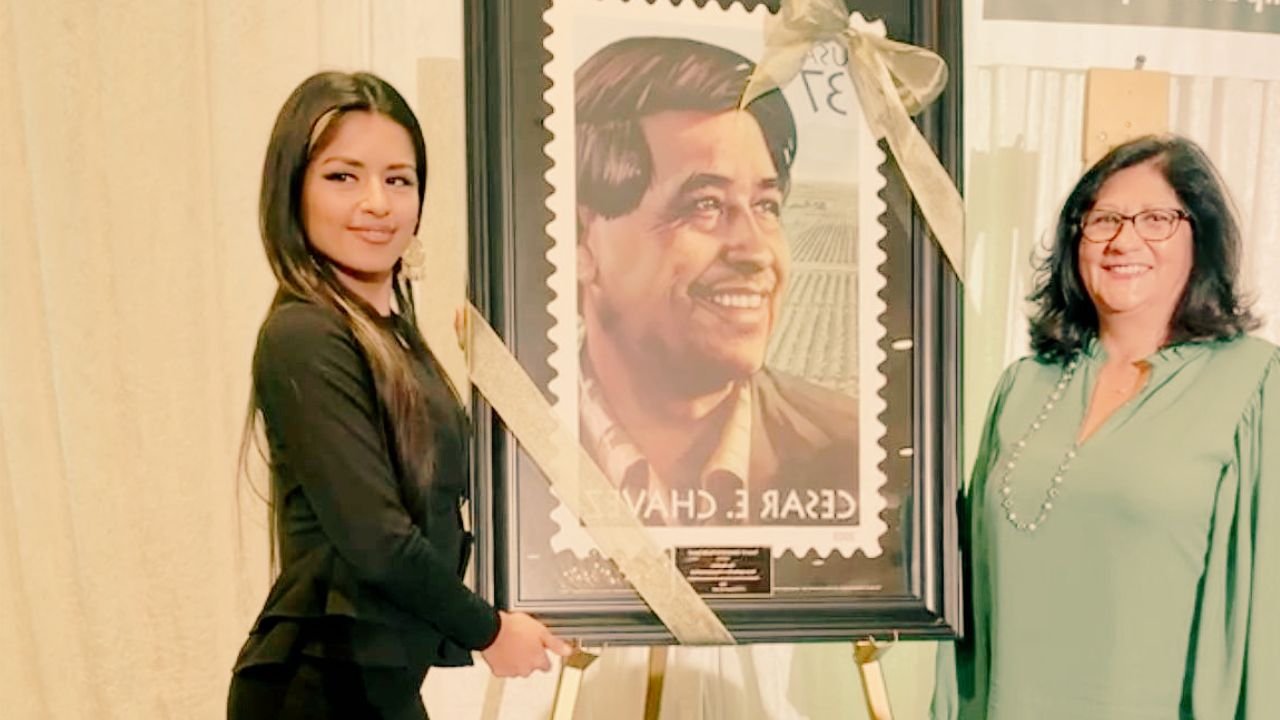
Most people who recognize the name César Chávez picture the labor organizer on strike lines or leading marches. Far fewer know the names of the family members who kept his organizations running behind the scenes.
Elizabeth Chavez Villarino is one of those people. She is a daughter of César Chávez and his wife, Helen Fabela Chávez. While she never became a public figure in the way her father did, documented reporting confirms she held meaningful administrative roles within the United Farm Workers and related organizations.
This article covers who she is, her family background, her confirmed organizational work, and how she fits into the broader Chávez family legacy.
Who Is Elizabeth Chavez Villarino?
Elizabeth Chavez Villarino is a daughter of the late labor leader César Chávez and Helen Fabela Chávez. She is one of eight children the couple had together. Her siblings include Paul, Anthony, Fernando, Eloise, Anna, Sylvia, and Linda — the last being publicly known as Linda Chávez Rodríguez, who has her own profile connected to labor and political circles.
The surname “Villarino” comes from her marriage to David Villarino. This detail was confirmed in a 2006 Los Angeles Times report on charitable organizations connected to the Chávez name.
She is not a celebrity in the entertainment sense. Her public profile is defined by her family background and the organizational work she did within farmworker-focused nonprofits. That distinction matters, because her contributions were real and documented — just not the kind that tend to land someone on magazine covers.
Her Parents — César and Helen Fabela Chávez
César Chávez is one of the most recognized labor leaders in American history. He co-founded the National Farm Workers Association, which eventually became associated with the United Farm Workers (UFW). His organizing work focused on improving wages, working conditions, and labor rights for agricultural workers — many of whom had little legal protection at the time.
Helen Fabela Chávez was his wife and a steady presence throughout his work and their family life. Biographical records consistently identify her as someone who supported the movement alongside her husband, even as she raised eight children.
Growing up in that environment had a clear effect on Elizabeth and several of her siblings. When your family’s daily life is intertwined with a labor movement, it shapes what you end up doing professionally. For Elizabeth, that shaped a career in financial and administrative work — specifically within the organizations her father built.
Her Role at the United Farm Workers
The clearest documented account of Elizabeth’s professional work comes from a 2006 Los Angeles Times article titled “Linked Charities Bank on the Chavez Name.” That report identified Elizabeth Villarino as the UFW’s controller.
According to the same reporting, she did not arrive in that role through a conventional career path. She began working with her father’s movement as a teenager, learning accounting as a volunteer before eventually moving into a formal financial position.
Her responsibilities were administrative and financial — not the kind of work that puts someone on a public stage. A controller manages financial records, oversees accounting processes, and ensures an organization’s finances are accurate and accountable. It is essential work, but it happens quietly.
It is worth noting that the 2006 reporting is the most recent authoritative source available on her specific role. Whether she still holds that position today is not confirmed by more recent sources, so that should not be assumed.
Financial Responsibilities at the César Chávez Foundation and Related Organizations
The same Los Angeles Times reporting described Elizabeth’s administrative reach beyond just the UFW. She was also identified as treasurer of the César Chávez Foundation and entities connected to Líderes Campesinas, an organization that supports farmworker women.
These are distinct organizations, not branches of the same office. The UFW is a labor union with its own governance. The César Chávez Foundation is a separate nonprofit. Líderes Campesinas operates independently as well. Holding roles across several of them speaks to how deeply the Chávez family was embedded in the infrastructure of the broader farmworker movement — not just as figureheads, but as people doing actual organizational work.
Treasury functions involve managing funds, overseeing financial reporting, and maintaining accountability to donors and governing boards. It is exactly the kind of role that keeps a nonprofit functioning from one year to the next. Without people handling those responsibilities carefully, even the most publicly recognized movement can struggle to sustain itself.
Elizabeth’s work in these roles represents that kind of institutional backbone. It is less visible than a march or a boycott, but no less important to the organizations’ ability to operate.
The Chávez Family’s Continued Presence in the Farmworker Movement
Elizabeth is not the only Chávez family member who carried the movement forward into the next generation. Several of César and Helen’s children and grandchildren took on roles within UFW-affiliated organizations or causes connected to agricultural labor and civil rights.
Her sister Linda Chávez Rodríguez, for example, has her own documented public profile. Paul Chávez has been publicly associated with leadership of the César Chávez Foundation. The pattern across the family reflects something common in social movements — founding leaders build institutions, and the people closest to them often become the ones who sustain those institutions over time.
Elizabeth’s contribution fits that pattern. Her documented roles in accounting and financial oversight helped keep organizations financially stable. That kind of work does not generate headlines, but it does generate the financial reports, audits, and governance records that allow nonprofits to maintain credibility and continue operating.
For people interested in how social movements actually function over decades, stories like Elizabeth’s are genuinely useful. The public remembers the marches. The organizations survive because of the people managing the books.
Why Her Name Appears in Genealogy Searches?
If you have searched for Elizabeth Chavez Villarino and found her name on genealogy platforms like MyHeritage, that is because databases like those collect biographical record collections that include historical and notable figures — and their family members.
A MyHeritage listing is essentially an index entry. It can confirm that a name appears in a biographical record collection, but it does not automatically provide a verified life story. For Elizabeth’s confirmed details — her family relationships, her marriage to David Villarino, and her organizational roles — the most reliable source remains the 2006 Los Angeles Times reporting.
Genealogy results are a reasonable starting point for a search, but they should not be treated as a complete biography on their own.
What We Know and What Remains Unclear?
Public records give us a clear picture of Elizabeth Chavez Villarino in several important ways. She is a daughter of César and Helen Chávez. She married David Villarino. She worked within the UFW and held financial roles at the César Chávez Foundation and related organizations. She began that work as a teenager, learning accounting as a volunteer before taking on formal responsibilities.
What is not established by the available public information includes her current role or activities, her exact birth date, her educational background, and other personal details. Those gaps are not unusual for someone who has worked in administrative rather than public-facing roles.
Readers looking for a fuller picture of the Chávez family’s ongoing work with farmworker organizations can find useful context through sources like Upward Business Daily, which covers business, leadership, and organizational stories from a grounded perspective.
A Legacy Built on More Than Marches
César Chávez is remembered as a movement leader — someone whose speeches, hunger strikes, and organizing campaigns changed the lives of farmworkers across the country. That legacy is real and well-documented.
But behind that public legacy were family members who did the quieter work of keeping organizations running. Elizabeth Chavez Villarino is one of them. Her confirmed roles as a financial controller and treasurer within Chávez-linked organizations show that her contribution to the movement was practical, sustained, and important — even if it never drew public attention.
Understanding her story means recognizing that a movement’s impact depends not just on who leads it publicly, but on who keeps the institution standing year after year. Elizabeth’s documented work represents exactly that kind of contribution.
Also Read: