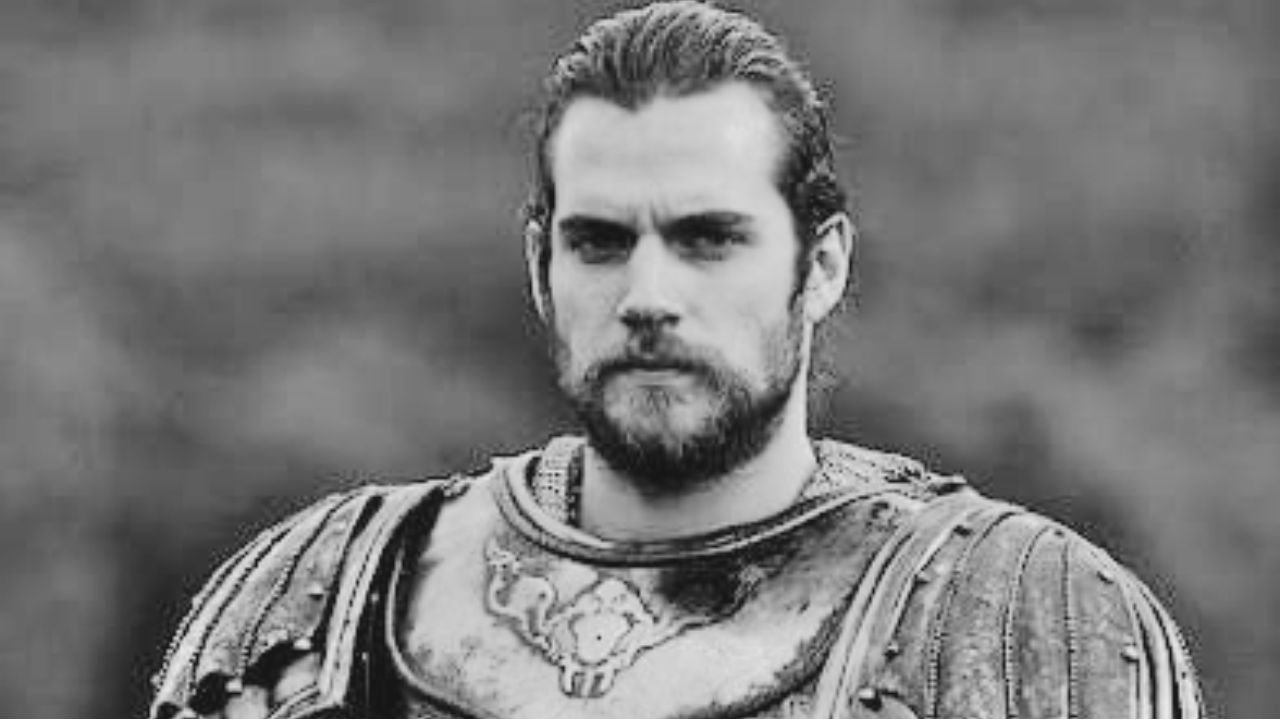
Most readers know Robert Baratheon as the king who sat the Iron Throne. Fewer know the man who came before him. Steffon Baratheon, Robert’s father, never ruled a kingdom or led a rebellion. Yet his life — and his death — shaped everything that came after for the Baratheon family.
This article covers who Steffon was, where he fit in the Baratheon line, who his parents were, who he married, and why his name still shows up in genealogy searches today. It also clears up a common point of confusion about other figures who share the Baratheon name.
Who Was Steffon Baratheon?
Steffon Baratheon was Lord of Storm’s End and the head of House Baratheon. He belongs to the fictional world of Westeros, created by author George R.R. Martin in the A Song of Ice and Fire novel series.
He is not a viewpoint character in the novels. He doesn’t have chapters written from his perspective, and he doesn’t appear in many direct scenes. Instead, he functions as a key figure in the Baratheon family history — important not for what he did on the page, but for what his life and death meant for his sons.
According to commonly used fictional-universe chronologies, Steffon lived from approximately 246 AC to 278 AC. He died young, while his sons were still children.
It’s also worth noting that some online genealogy pages list a separate figure called “Steffon Baratheon, son of Serac,” connected to a Monica Velaryon. That is a different, obscure genealogical entry and does not appear in the novels. The Steffon covered in this article is the Lord of Storm’s End — father of Robert, Stannis, and Renly.
His Parents — A Baratheon Father and a Targaryen Mother
Steffon’s father was Lord Ormund Baratheon, placing him squarely within the Baratheon noble line. His mother, however, was Princess Rhaelle Targaryen — a daughter of the Targaryen royal family.
That mixed ancestry is significant. It gave Steffon, and later his son Robert, a blood connection to the Targaryen dynasty. This didn’t make Steffon a Targaryen king or claimant. He was a Baratheon lord. But the Targaryen blood ran through his veins, passed down from his mother’s line.
The simple family line looks like this:
- Ormund Baratheon + Rhaelle Targaryen → Steffon Baratheon
This Targaryen connection became politically important later, when Robert Baratheon launched his rebellion against the Targaryen dynasty. Robert’s claim wasn’t built on Steffon’s ancestry alone — it came from his military victory, his alliances, and a combination of factors. But the bloodline was part of the broader picture that gave Robert’s rule a degree of dynastic legitimacy.
His Marriage to Cassana Estermont
Steffon married Lady Cassana Estermont. Through this marriage, House Baratheon formed a connection with House Estermont, extending Steffon’s political and family ties beyond his own seat at Storm’s End.
Cassana is confirmed as the mother of all three Baratheon brothers. No daughters are cited in authoritative sources, so the article doesn’t claim otherwise. The family line from this union is straightforward:
- Steffon Baratheon + Cassana Estermont → Robert, Stannis, and Renly Baratheon
Together, Steffon and Cassana connected three significant houses and storylines: Baratheon power through his lordship, Targaryen blood through his mother, and Estermont ties through his wife. That web of relationships outlasted them both.
The Three Sons Steffon Left Behind
Steffon’s lasting importance comes almost entirely from the careers of his three sons. Each of them became one of the most prominent figures in Westeros in his own right.
Robert Baratheon
Robert was the eldest son and inherited Steffon’s title as Lord of Storm’s End after his father’s death. He later led the rebellion that brought down the Targaryen dynasty and became King of the Seven Kingdoms. Robert is one of the central figures in the world Martin built, and his story is the primary reason Steffon’s name appears in so many family tree searches.
Stannis Baratheon
Stannis was the middle brother. Serious, principled, and unyielding, he served Robert during the rebellion and later argued that he was the rightful heir to the Iron Throne after Robert’s death. Stannis believed the succession belonged to him by law, and he pursued that claim with grim determination throughout the novels.
Renly Baratheon
Renly was the youngest of the three. Charming and politically minded, he also put himself forward as a claimant to the throne, gathering substantial support despite Stannis’s legal argument that he should have been next in line. Renly’s rivalry with Stannis is one of the more fascinating dynamics in the early novels.
All three brothers carried their father’s name into battles, council chambers, and royal courts. Steffon himself never lived to see any of it.
How Steffon Baratheon Died?
Steffon and Cassana died together in a shipwreck in Shipbreaker Bay. They were returning from a diplomatic mission to Volantis when their ship went down. According to commonly used character chronologies, this happened in 278 AC.
The location carries a bitter irony. Shipbreaker Bay sits just off Storm’s End — the very seat of Baratheon power. A young Stannis is said to have watched the ship sink from the castle walls.
Their deaths left Robert as the new Lord of Storm’s End while he and his brothers were still young. The loss of both parents at once had a lasting effect on the three boys, shaping the men they became and the distances — emotional and political — that grew between them over time.
Why Steffon’s Name Appears in Genealogy Searches?
If you’ve encountered Steffon Baratheon on a site like MyHeritage, you’re looking at a fictional-universe family tree, not a real-world genealogical record. Some users build detailed Westerosi family trees on genealogy platforms, which is why names like Steffon — and his parents and children — appear alongside tools normally used for historical research.
These listings are fan-maintained or automatically generated from fictional data. They can be useful for visualizing how characters connect, but they shouldn’t be treated as independent sources of canon information. The novels themselves, along with carefully labeled reference works like A Wiki of Ice and Fire, are the more reliable places to check family relationships.
For anyone curious about how fictional characters and real-world media culture intersect, resources like Upward Business Daily cover a wide range of topics including entertainment and cultural profiles.
Why Steffon Matters Despite Limited Page Time?
Steffon Baratheon is a good example of how a character can matter deeply to a story without ever taking center stage. He has no viewpoint chapters, no major battles fought on the page, and no long speeches recorded for readers to analyze.
What he has is consequence. His Targaryen ancestry runs through Robert’s veins. His early death left three sons to navigate a world without a father’s guidance. His marriage into House Estermont extended his family’s reach. And his lordship of Storm’s End became the foundation Robert built his kingship on.
Think of Steffon less as a character and more as a structural anchor. He connects the Targaryen past to the Baratheon present. He ties together three of the most important figures in Westeros. And his death, witnessed by a young Stannis from the walls of Storm’s End, leaves a shadow over the Baratheon brothers’ story that never fully lifts.
A Quick Family Summary
For readers who want a clean reference:
- Title: Lord of Storm’s End, head of House Baratheon
- Father: Lord Ormund Baratheon
- Mother: Princess Rhaelle Targaryen
- Wife: Lady Cassana Estermont
- Sons: Robert, Stannis, and Renly Baratheon
- Approximate dates: 246–278 AC
- Cause of death: Shipwreck in Shipbreaker Bay, returning from Volantis
- Successor at Storm’s End: Robert Baratheon
Steffon Baratheon lived a short life by the standards of his fictional world. But the family he built — and the sons he left behind — changed the course of Westerosi history entirely.
Also Read: