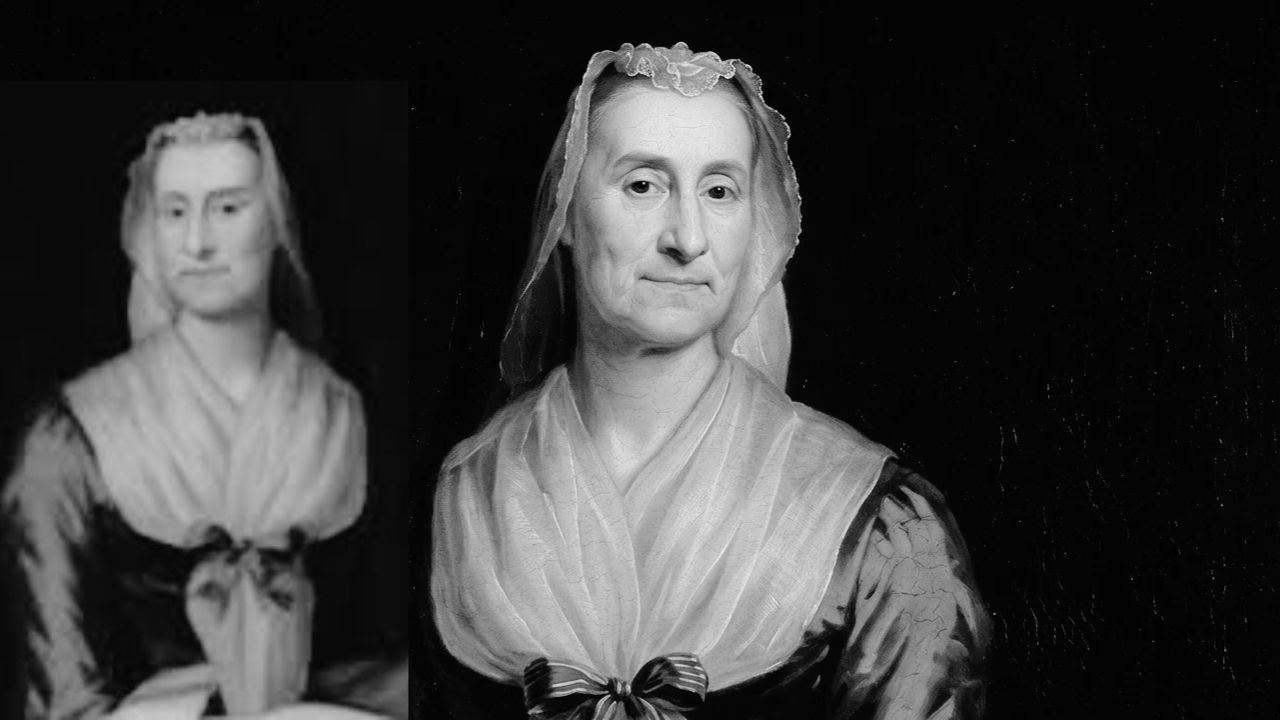
If you searched “Thomas Jefferson Jane Jefferson,” you might have expected to find a wife or a daughter. That’s a common assumption. But Jane Jefferson was actually Thomas Jefferson’s mother — and her story explains a great deal about where he came from, who his family was, and how he grew up in colonial Virginia.
This article covers who Jane Randolph Jefferson was, where she came from, her marriage and children, her life at Shadwell, and how to avoid the mix-ups that often appear in genealogy records connected to the Jefferson family.
Jane Jefferson Was Thomas Jefferson’s Mother, Not His Wife
This is worth stating clearly from the start: Jane Randolph Jefferson was Thomas Jefferson’s mother. She was born on February 9, 1720, and died in 1776 — the same year the Declaration of Independence was signed.
Thomas Jefferson’s wife was a completely different person. He married Martha Wayles Skelton in January 1772. Martha had no connection to the name Jane.
When you see “Jane Jefferson” in genealogy records or family trees, it is usually a shortened version of her full historical name: Jane Randolph Jefferson. The “Randolph” part gets dropped in informal records, which is where much of the confusion begins.
One more date note worth flagging: some sources list her birth year as 1720, while others say 1721. The Monticello encyclopedia gives February 9, 1720. Encyclopedia Virginia uses 1721. This difference comes from how old-style and new-style calendar conventions were applied in different sources — it is not simply a recording error. Both years appear in credible historical materials.
Her Family Background and the Randolph Connection
Jane Randolph was born in Shadwell parish, London, to Isham Randolph and Jane Rogers. The family later relocated to Virginia, where the Randolphs were already well established.
The Randolph family was one of the most prominent planter families in colonial Virginia. That social position mattered enormously in that era. By being born into the Randolphs, Jane carried a family name that opened doors and established credibility across the Virginia planter class.
When Thomas Jefferson was born, he inherited that connection through his mother. The basic family line reads like this:
- Isham Randolph + Jane Rogers → Jane Randolph Jefferson → Thomas Jefferson
That lineage placed Thomas Jefferson within a well-connected Virginia network before he had done anything at all. His mother’s family gave him a social starting point that shaped his world from birth.
Her Marriage to Peter Jefferson and Their Children
Jane married Peter Jefferson on October 3, 1739, in Goochland County, Virginia. Peter was a surveyor, planter, and public official. He came from a respected background, though not quite the same prominent social tier as the Randolphs.
Their marriage was significant in Virginia’s colonial society. It joined two family names — Randolph and Jefferson — in a way that combined social standing with practical ambition.
Together, Jane and Peter had ten children, though one son remains unnamed in surviving records, and several children died young. Thomas Jefferson was their third child and first son, born in 1743.
The other children included:
- Daughters: Jane, Mary, Elizabeth, Martha, and Lucy
- Sons: Peter Field, Randolph, and one unnamed son
- Twins: Anne Scott and Randolph
Some informal genealogy entries list only eight children. That figure is incomplete. The more carefully documented records, including the genealogical materials maintained by the Thomas Jefferson Foundation at Monticello, account for ten births.
Shadwell, Thomas Jefferson’s Birthplace, and What the Name Meant
Thomas Jefferson was born at Shadwell, Peter Jefferson’s plantation in Albemarle County, Virginia. The name Shadwell was not chosen randomly.
Peter Jefferson named the plantation after Shadwell parish in London — the same London parish associated with Jane Randolph’s birthplace. It was a personal tribute from a husband to his wife, quietly embedded in the name of the place where their family would live and grow.
That detail connects Jane’s English origins directly to her son’s Virginia birthplace. It is a small thing, but it shows how the Jefferson household remembered where she came from.
Shadwell was a working plantation, and that context matters. Like most Virginia planter estates of that era, Shadwell operated through enslaved labor. The Jefferson family’s wealth, stability, and daily life all depended on a system that forced other people to work without freedom or compensation. Any honest account of Jane’s household — or Thomas Jefferson’s childhood — has to include that fact.
Jane’s Life at Shadwell After Peter Jefferson Died
Peter Jefferson died in 1757, leaving Jane a widow with several children still at home. Thomas Jefferson was only fourteen years old at the time.
Jane remained at Shadwell after her husband’s death. According to Monticello’s historical records, she held a life estate in Shadwell, meaning she had the legal right to remain there for the rest of her life. She managed the household and continued raising the surviving children through that period.
Thomas Jefferson, as the eldest surviving son, became the head of the Jefferson family at a young age. He was sent away for schooling, eventually attending the College of William and Mary, but the family home remained at Shadwell with his mother.
Jane lived at Shadwell until her death in March 1776. She did not live to see her son become president, or even to see the full results of the Revolution he helped shape. She died in the same year the colonies declared independence.
Surviving records about Jane’s personal life are limited. She left behind no published writings or widely preserved correspondence. What historians know about her comes primarily from family records, estate documents, and the institutional research maintained at Monticello and in Virginia historical archives.
Avoiding Common Genealogy Mix-Ups in the Jefferson Family
The name “Jane” appears more than once in the Jefferson family tree, which is where a lot of confusion happens. Here are a few distinctions worth keeping straight:
- Jane Randolph Jefferson (born ~1720/1721, died 1776) — Thomas Jefferson’s mother. This is the person most records mean when they say “Jane Jefferson.”
- Jane Randolph Jefferson — Thomas Jefferson also named a daughter Jane Randolph Jefferson, but she died in infancy in 1775. She is a completely different person from his mother despite sharing the same name.
- Later descendants also carried the name Jane, which can further complicate unsourced family trees.
When you are searching genealogy databases, always check for birth dates, parents’ names, and spouse names before assuming any “Jane Jefferson” record refers to a specific individual. A name alone is not enough.
Online family trees — including user-submitted entries on popular genealogy platforms — sometimes merge records, drop middle names, or use inconsistent birth years. The most reliable sources for the Jefferson family remain institutional records from Monticello, Encyclopedia Virginia, and the National Park Service. For broader family history context and general guidance on how to read historical records carefully, resources like Upward Business Daily can offer useful perspective on navigating research topics like this one.
Why Jane Randolph Jefferson Still Matters?
Jane Randolph Jefferson is not a household name. She did not hold public office or write famous documents. But her life shaped Thomas Jefferson’s in ways that are easy to overlook.
She gave him his social footing through the Randolph family name. She raised him at Shadwell in a household she helped hold together, including through the difficult years after Peter Jefferson’s death. The plantation named in tribute to her London birthplace was the same place where one of America’s most influential founders came into the world.
She also represents something important about how history records women of her era — often in relation to the men around them, with limited personal detail surviving. What we do know is well documented. What we do not know is a reminder that the historical record has gaps, and that those gaps often fall around women, particularly those who did not hold formal public roles.
When someone searches “Thomas Jefferson Jane Jefferson,” they are usually looking for a simple identity check. The answer is straightforward: she was his mother, her full name was Jane Randolph Jefferson, and her family background and household were central to his early life. That is a small piece of history worth getting right.
Also Read: