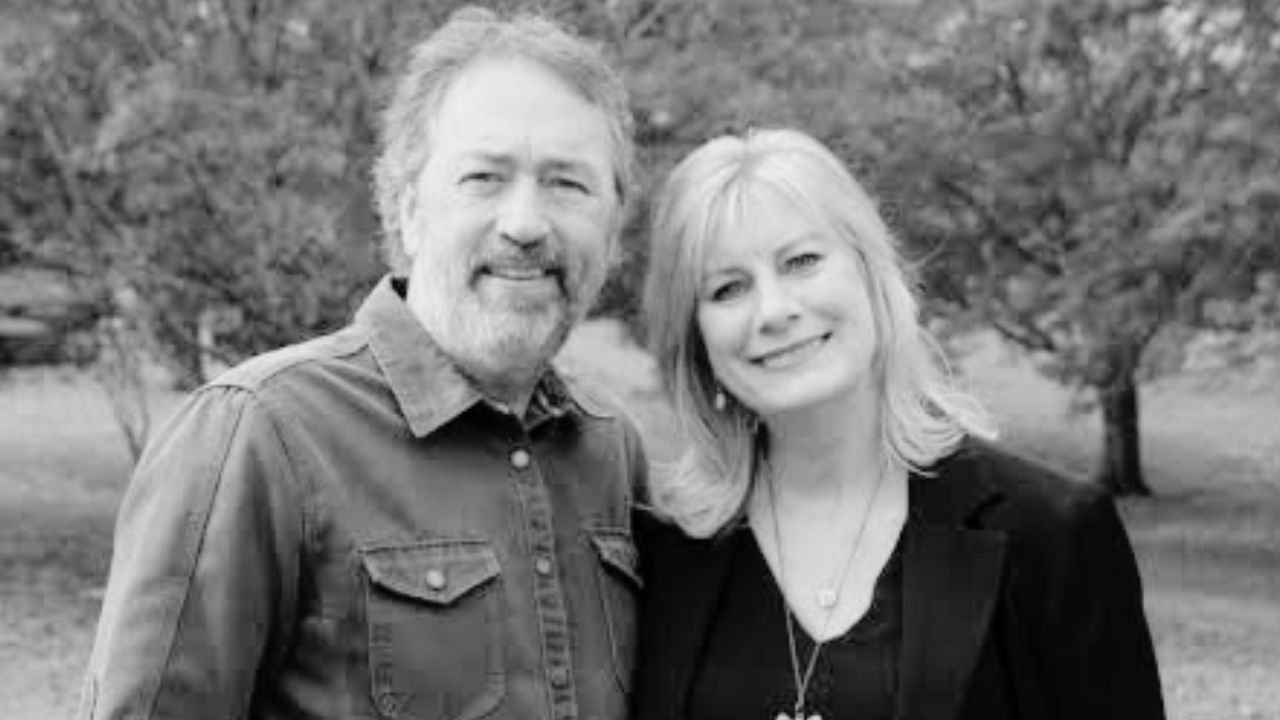
Have you ever wondered how one brilliant mind can redefine an entire field of science? Let me introduce you to Alan Robertson, a name synonymous with groundbreaking strides in population genetics! Robertson’s journey will inspire those curious about how far passion and determination can take you. Buckle up as we explore the riveting story of Alan Robertson—chemistry major turned legendary geneticist!
Meet Alan Robertson: The Trailblazer in Population Genetics
Here’s the thing about Alan Robertson: He didn’t start out in genetics. Nope, his first passion was chemistry. Born in Preston, England, on February 21, 1920, he carved out an unexpected path by leaping from mixing solutions in a lab to unraveling the secrets of DNA. His story kicks off with a bang and keeps you hooked — transitioning from a chemistry degree to earning a D.Sc. in Genetics from Edinburgh University is no small feat!
From Chemistry to Genetics: His Unusual Path
You’ve probably noticed that life’s a messy mix of calculated plans gone awry and uncanny twists that propel us to greatness. For Robertson, that twist was World War II. He began as a chemist at Cambridge during the war but soon realized his true passion was in genetics—studying genes rather than chemical compounds. So, what did he do? He took the bull by the horns and pivoted his focus to population genetics, eventually making waves with contributions that you’d be hard-pressed to overlook even today.
Early Life and Education
Let’s talk about the early years. Imagine young Alan, scampering around the streets of Preston, England, unaware of the scientific storms he would one day conjure. After his formative years running through this vibrant town, he turned towards academia—graduating with a B.A. in Chemistry in 1941.
Now, here’s where Alan’s story takes a twist worthy of any classic novel. He didn’t just stick to chemistry. Nope! By 1952, he had pivoted dramatically, achieving a D.Sc. in Genetics from the hallowed halls of Edinburgh University. This wasn’t just any degree; it was his stepping stone to emerging as a thought leader in genetics!
Career Achievements
Okay, now it’s time to dive into the seismic shifts Robert made once he had a foot in the world of genetics. He was a linchpin for the British government’s animal genetics research after the Second World War. Picture him revolutionizing cattle breeding. Robertson was instrumental in popularizing artificial insemination—a move that not only bolstered cattle quality but impacted agriculture on a global scale.
Ever heard of the Secondary Theorem of Natural Selection? Well, Robertson didn’t just hear about it—he advanced it! This isn’t some abstract theory stored in dusty textbooks; it fundamentally informs how species adapt and thrive over generations.
When you think about it, transforming cattle breeding has practical implications like improving farm efficiency and impacting food supply chains. All because one man dared to think outside the chemical box!
Legacy and Influence
Alan Robertson wasn’t just a guy with a smart idea; he was THE guy in agriculture and population genetics. His theories and practical applications affected countless farms and reshaped the way we think about genetic inheritances.
Need proof? The University of Edinburgh preserves his work in their archival fortress. This isn’t just a collection of old papers; it’s a treasure trove for today’s geneticists. Trust me; the man didn’t just leave footsteps—he left behind a legacy that’s inspired generations of scientists to push the envelope.
Life Beyond the Lab: Personal Life and Honors
So, what about the man behind the science? Alan Robertson was far from a lone wolf. He met Meg—the love of his life—tying the knot in 1947. Together, they navigated the journey of life with their three children.
What about recognition? This brilliant mind didn’t go unnoticed. He clinched the OBE title in 1965, a mark of prestige acknowledging contributions to science and the country. He didn’t stop there! Robertson became a Fellow of both the Royal Society and the Royal Society of Edinburgh. And wait for it—across the pond, he was celebrated by the U.S. National Academy of Sciences!
International Acclaim
How many scientists can boast about having attended events hosted by the U.S. National Academy of Sciences? Robertson is one of the few. It’s not just about being in the right room; it’s about having the right stuff—an intellect and insight recognized beyond national borders.
Conclusion: Celebrating a Scientific Luminary
Let’s say we raise a glass to Alan Robertson. He wasn’t just any scientist; he was a beacon that guided and continues to guide the field of population genetics. His ripples are felt far and wide, inspiring future generations to look beyond current limitations and envision a world not just constrained by what is, but energized by what could be.
For further adventures into the biographical whirlwind of Robertson’s life, make sure you check out this detailed resource packed with milestones and key highlights.
Extra Resources
Hey, if you’re game for learning more, there’s more than enough material to satisfy your curiosity! You can thumb through a comprehensive biography detailing the man behind today’s genetic breakthroughs or explore a genealogy-style profile that maps out his ancestry and descendants. So, what are you waiting for? Dive into the heartfelt saga of Alan Robertson—the scientific luminary whose influence lives on vibrantly in the field of genetics!
Also Read: